
Nurturing Unique Talents in Children

Welcome to the world, little man. You are a miracle of God, bringing two families together and creating a precious baby boy. With all the resources and aspirations to make a difference in the world, what an opportunity it is to be born into a middle-class family in the 60s, a time of unprecedented growth and limitless possibilities.

Parents want the best for you, and the opportunities are endless. All you need to do is apply yourself and follow your parents’ guidance, as they know best.

However, life is not always easy, and no one asked or tried to discover your natural talents or strengths. As Rumi wisely said, children are gifts given to parents to be custodians, but they are not theirs to possess. Each child has their own unique path and purpose on earth. Parents should nurture their natural abilities, and they will discover their reason for living.

Unfortunately, if these skills are not nurtured and children are forced or coerced into areas that do not bring them fulfillment or where they cannot excel, not every child is destined to become a lawyer, doctor, or Indian chief. These children may end up feeling depressed and unhappy, seeking joy in all the wrong places.

Some children, like me, develop low self-esteem and never feel good enough. They perceive themselves as complete failures, even with evidence of their achievements, yet they are unable to recognize their worth.

When parents place high expectations on their children in the hope of giving them the best, it can lead to disappointment and pain for both the parent and the child.

Overcoming the feeling of not being worthy is a challenging task. Life has a way of reflecting our self-perception. Every setback reinforces negative self-talk, while successes are met with disbelief. Even compliments are dismissed as mere niceties rather than genuine recognition.

Negative self-talk and low self-esteem are constant companions, but I’ve discovered that leaning on God makes them bearable. I know that the Lord doesn’t make mistakes, and if He still needs me on this earth, I continue to rise each morning with gratitude and an expectation to make a difference, both in small and significant ways. I listen to the still small voice for guidance, courage, and faith to follow His direction. God is good.
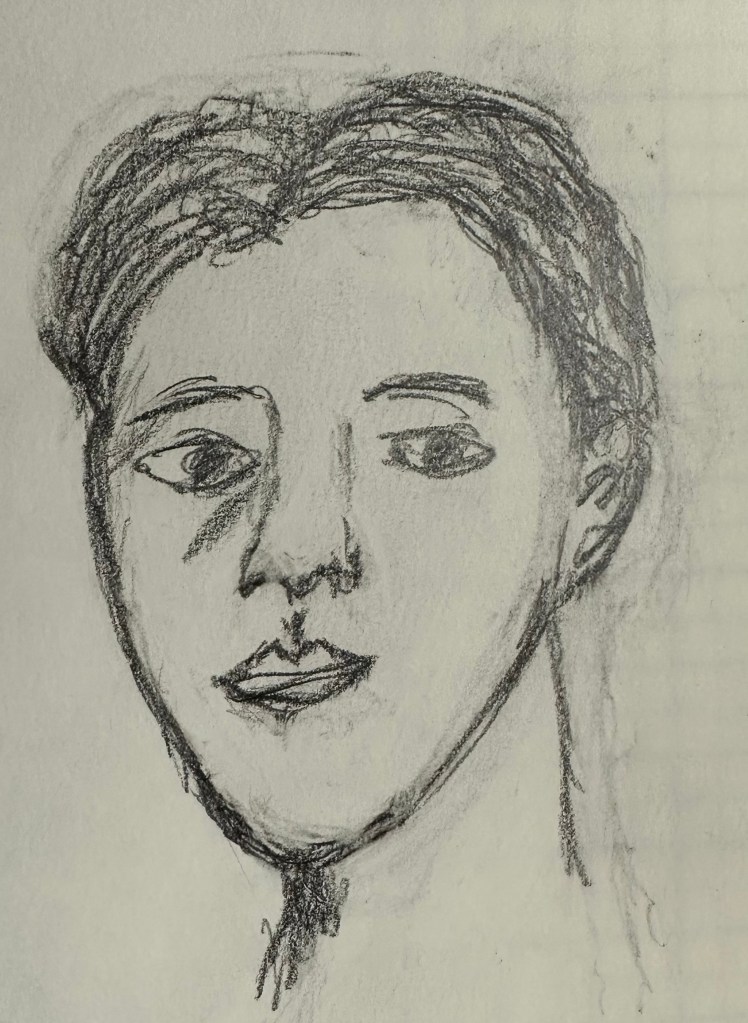
Charlotte

She has endured a lot in the years she has lived on this earth.
Charlotte, a person who cherishes people, has lived a life filled with ups and downs. Despite these challenges, she always manages to find the “bright side” of every situation. Some of her friends believe she’s putting on a show because they can’t comprehend how she maintains her upbeat and optimistic demeanor.

Her favorite saying is, “When life gives you lemons, you make lemonade.” However, when she utters this phrase, some of her friends and family roll their eyes or chuckle, as if expecting another one of her “shows.”

Charlotte was born in a rural area of North Carolina. With only a grade school education, she attended school only on days when she couldn’t work in the fields picking tobacco. The work was arduous, and the pay was meager, but the owner of the farm provided her with a house. The house had a well and a manual pump for water, but the bathroom facilities were outdoors. She used a chamber pot at night and on cold days because it was too difficult to reach the bathroom.

Although her life wasn’t luxurious, she woke up every day grateful and with a song in her heart. She was thankful to be alive, to have a roof over her head, to have fairly good health, and to have her family. Life had never been easy, but she believed that the Lord always provided for her.

Throughout her life, Charlotte has witnessed and experienced riots between races, boycotts, racism, and police brutality against he
Every Sunday, you can find Charlotte at the front of the church, shouting and dancing in the aisles. She makes joyful noises, praising the Lord for taking her through another week and asking for continued blessings.

Wednesday evenings are spent at the sewing circle with her church sisters. The quilt she’s been working on is more than halfway completed, and she plans to finish it before winter. This quilt holds special significance because the materials used are old rags and clothing that she’s been gathering for years. Some of the clothes belonged to her parents, who both passed away, but she kept them long after their passing, which is over twenty years now. All the ladies in the circle admire its vibrant colors and shower her with compliments.

One day, while working on her quilt, a nine-year-old boy named Ray, the grandson of one of the white ladies, approached her. He held her hands and asked why her hands were so scarred and rough. Ray was visiting his grandmother from the city and had never encountered people who engaged in manual labor. Initially, his grandmother, feeling embarrassed, tried to stop him from asking questions, but Charlotte reassured her that it was okay. She explained that she had worked hard every day of her life but was grateful to the Lord.

Being an inquisitive child, Ray walked over to his grandmother and examined her hands. Although they were wrinkled, they were soft and well-manicured. He whispered to her, “How come your hands are different?” She didn’t answer him.

In her mind, she recalled the days when she was privileged to attend school every day. Sometimes, she would see Charlotte walking to the fields while she was on the school bus heading to school. She wondered if her life had turned out better or worse because she too had faced challenges in her life in different ways. She thought about how life is like a quilt made up of various pieces or experiences—some good, some bad—but when sewn together, they create a magnificent tapestry or life.